
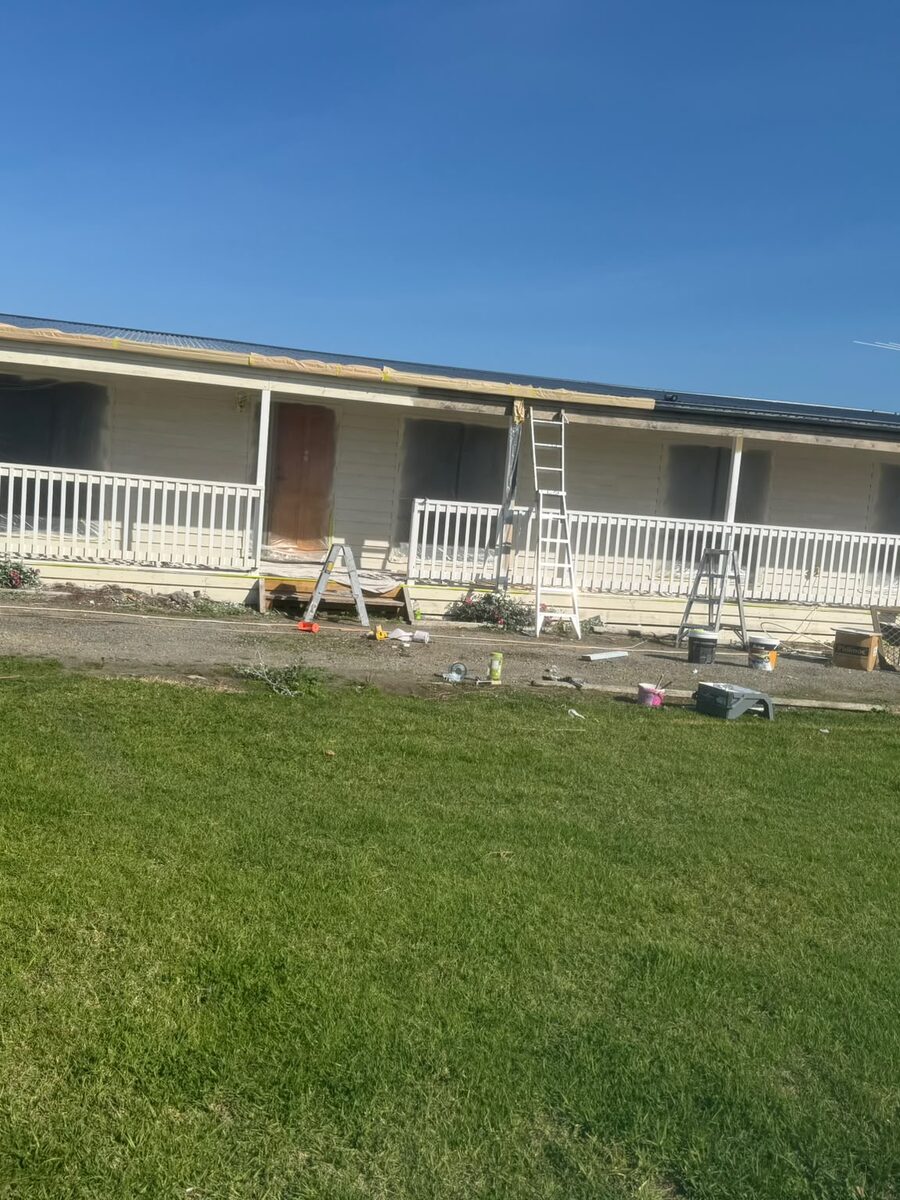
Agents say it constantly because it is true: buyers judge a house from the street, then from the doorway, then from the walls. Pre-sale painting is one of the few pre-listing spends that shows up in every photo, at every inspection, for every buyer. Here is where the money works hardest and what to skip.
The order that matters
Street frontage first. The front fence, the facade, the front door and the entry path form the first photo and the first impression. If the budget only stretches part-way, it stretches here.
Entry and hallway. Buyers physically slow down in the entry. Scuffed, marked hallways read as "tired house" before a single room is seen. Fresh neutral walls in the entry and hall change the tone of every inspection.
Kitchen and living. The rooms buyers photograph in their heads. Fresh paint on walls and, if the cabinets are dated, painted cabinet doors, reframe the whole space for a fraction of renovation money.
Wet areas and laundry. Mould-stained ceilings and peeling bathroom paint read as maintenance problems. Clean, sealed, freshly coated wet areas remove a negotiating lever.
Street-facing windows and trim. Fresh white trim is the cheapest "well maintained" signal a house can send.
What to skip
Not everything deserves paint before a sale. Rooms in genuinely good condition can stay. The back fence buyers cannot see from the street can wait. The garage interior rarely moves a price unless it is a selling feature. A good pre-sale quote separates "buyers will see this" from "nobody will notice", and skips the second list. We quote it that way on purpose.
Colours that sell
The rule is boring and correct: light, warm, neutral. Off-whites and light warm greys make rooms read bigger and brighter, work with any buyer's furniture in their imagination, and photograph well in both natural and artificial light. Strong personal colours are a bet that the buyer shares your taste, and the odds are not good. The feature wall you love is a neutral wall waiting to happen.
Timing before photos
The listing photos are the deadline everything works back from. Paint needs drying and airing time, and fresh paint smell in photos' week is fine but heavy odour at the first open is not ideal, so the sweet spot is finishing the painting at least a few days before photography. A typical pre-sale paint job on a 3 bedroom home runs several days to a week, so book as soon as the decision to sell is made, not after the agent books the photographer.
What it costs
Pre-sale jobs are scoped ruthlessly toward what buyers see, so they usually cost less than a full repaint. A street-elevation-and-entry package is a modest spend; a full interior refresh of a 3 bedroom home sits in the same range as any interior repaint. Every job starts with a walkthrough and a written quote, and we will tell you plainly which items are worth doing and which are not.
The honest ceiling on value
Paint does not fix a bad floor plan, and it does not hide rising damp, cracked render or a sagging fence line from a building inspector. What it does is remove every visual reason for a buyer to mentally discount, and it lets the home's real strengths carry the inspection. That is the job it does well, and it does it reliably.
Working with your agent
Agents see hundreds of campaigns a year and their styling advice is usually worth taking. If your agent suggests specific colours or rooms, bring that list to the quote. Where agents and painters agree is on the sequence: paint first, then deep clean, then style, then photograph. Painting after styling means masking around furniture and risking marks on styled rooms, so the calendar matters as much as the colours.
Getting it done before your campaign
Tell us your listing timeline and we will scope the job backwards from photography day: walkthrough, written quote, the work, and a final check before the stylist and photographer arrive. Call 0426 179 466 or send the quote form with your timeframe.